

Meet our APS MCC instructors
Orbit Groundschool
Your future • Our excellence
Experienced airline pilots, instructors and examiners who bring their operational experience into your APS MCC training.
A good instructor doesn’t just teach you what to do, but above all helps you understand waarom. That’s why Orbit works with instructors who have experience across different areas of professional aviation.
From airline operations and training to examining and military aviation, these diverse backgrounds bring real-world experience directly into the groundschool and simulator. This means you’re not just preparing for a course or assessment, but also developing the mindset and teamwork expected in a professional cockpit.
Experience across professional airline flight operations
TRI · TRE · SFI · SFE · CRM · CFI
Airline · Military · Instruction · Examining
Our instructors
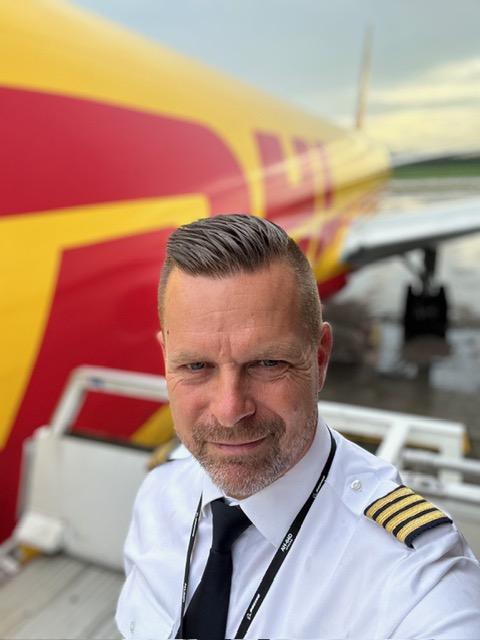
Franck de Groot
Boeing 777 Captain · TRI · Head of Training
Franck brings more than 13,000 flight hours and a broad operational background to the APS MCC training. His career has taken him from the Royal Netherlands Air Force and the Boeing 737 at Transavia to the Boeing 777 and 787 in international airline operations. Today, he flies as a Boeing 777 Captain and TRI at AeroLogic.
Franck about APS MCC
“Turning two individual pilots into one professional crew.”
For me, APS MCC is about much more than learning to fly in a multi-crew cockpit. What I enjoy most is seeing students make the transition, in a relatively short time, from flying as individuals to thinking and acting as a professional flight crew.
From my experience as both a military pilot and an airline pilot, I know how important good communication, situational awareness and decision-making are — especially when situations become more complex and workload increases.
At that point, it’s not just about technical knowledge, but above all about working together, setting priorities and thinking ahead as a team. When you see two individual pilots truly start to become one crew during the APS MCC, that’s when it all comes together for me.
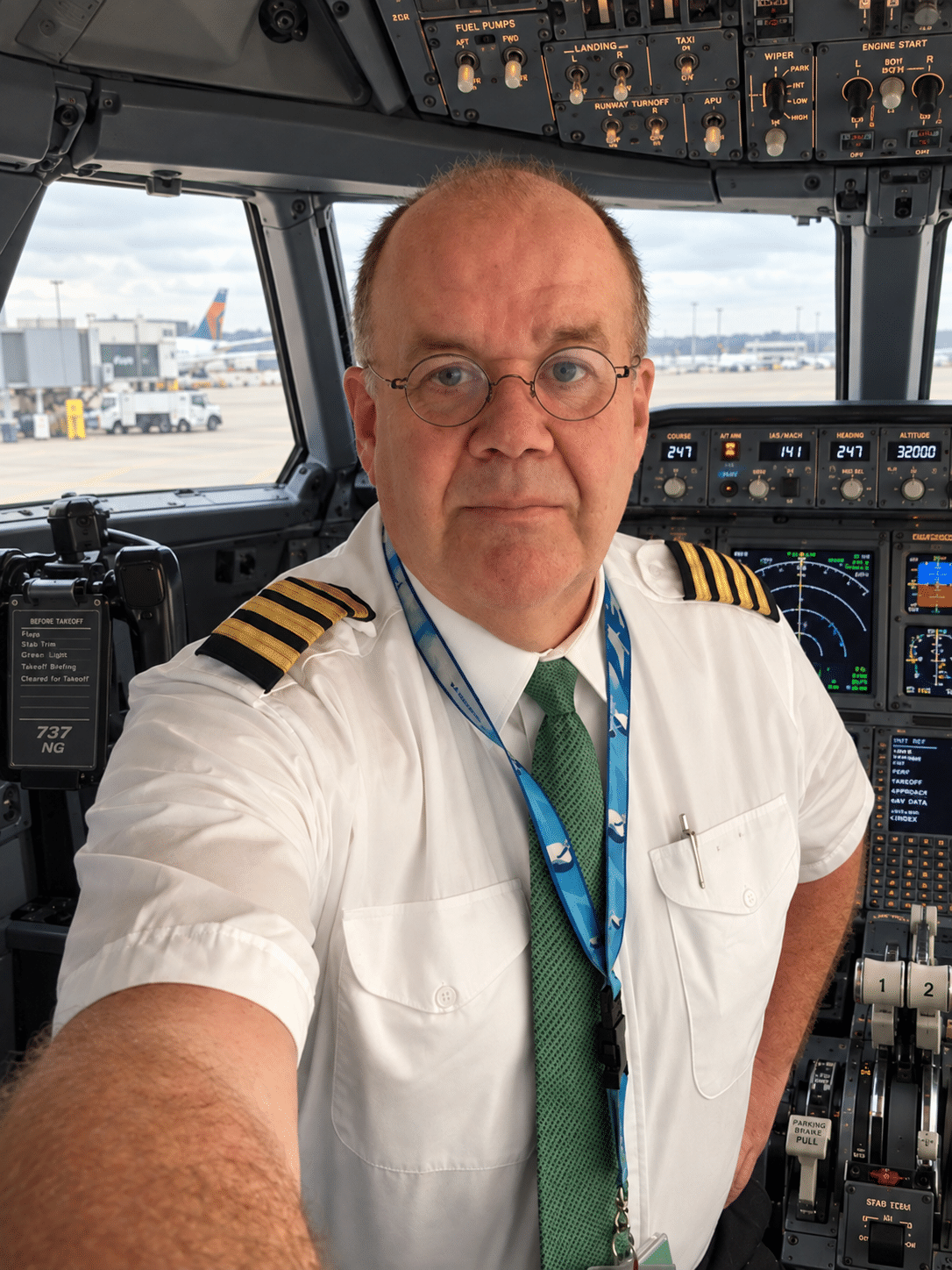
Onnebert Bieringa
Former Transavia Captain · Instructor & Examiner
Onnebert brings nearly 40 years of experience in professional aviation to the APS MCC training. Throughout his career, he flew aircraft including the Boeing 757, Boeing 737 Classic and Boeing 737NG. As a Captain at Transavia, he combined many years of airline flying with his work as an instructor and examiner.
Onnebert about APS MCC
“Airline flying is all about teamwork.”
What I especially want students to understand is how important it is to work together in the cockpit in a professional, positive and respectful way. Airline flying is a two-person job: you need to be able to rely on each other, communicate effectively and make the right decisions together.
At Orbit, I particularly enjoy working with such a wide range of pilots. Every student brings something different to the table, and that is exactly what makes MCC instruction so interesting.
I consider resilience under pressure, flexibility and a willingness to learn essential qualities for any pilot. In this profession, you never stop learning. My most important advice? Stay true to yourself and make sure you know your stuff.
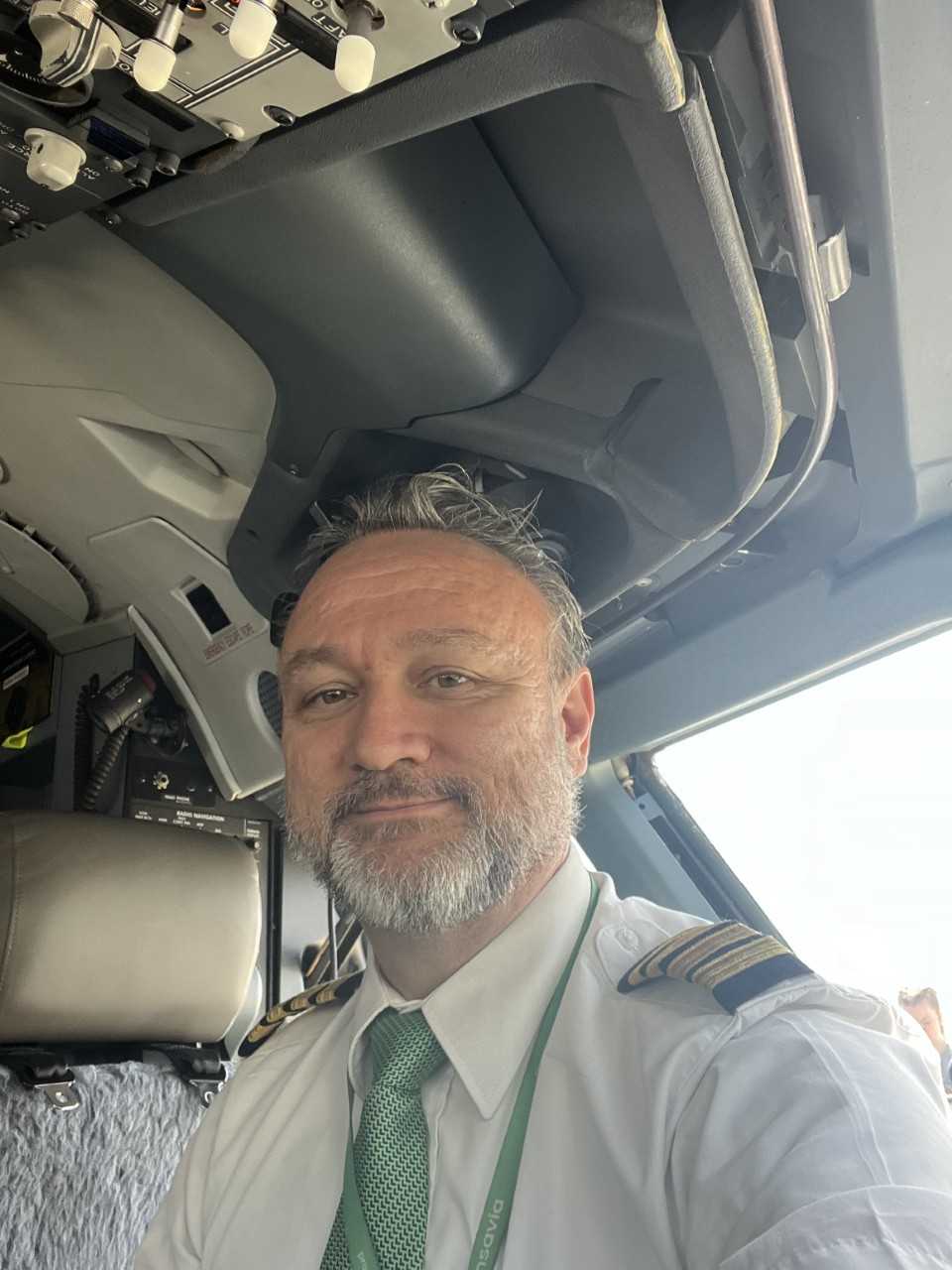
Jeffrey van der Groep
Boeing 737 TRI/TRE · Transavia Captain · CFI Orbit Groundschool
Jeffrey combines nearly 30 years of flying and instructional experience with a long-standing background at both Transavia and Orbit Groundschool. Since 2007, he has worked successively as an SFI, TRI and TRE on the Boeing 737. At Orbit, he serves as Chief Flight Instructor for the APS MCC course.
Jeffrey about APS MCC
“A good airline pilot looks beyond just flying the aircraft.”
In the APS MCC, I want students above all to make the transition from simply mastering the aircraft to functioning as part of a professional flight crew.
From my experience as an instructor, examiner and airline pilot, as well as my involvement in the development of MPL training, I know how important it is for technical knowledge and flying skills to go hand in hand with communication, discipline, situational awareness and sound decision-making.
During an APS MCC, you can see that development take place in a relatively short period of time. Students learn not only what is expected of them in an airline cockpit, but more importantly why. In my view, that professional mindset and the willingness to keep developing yourself are essential for a successful career as an airline pilot.
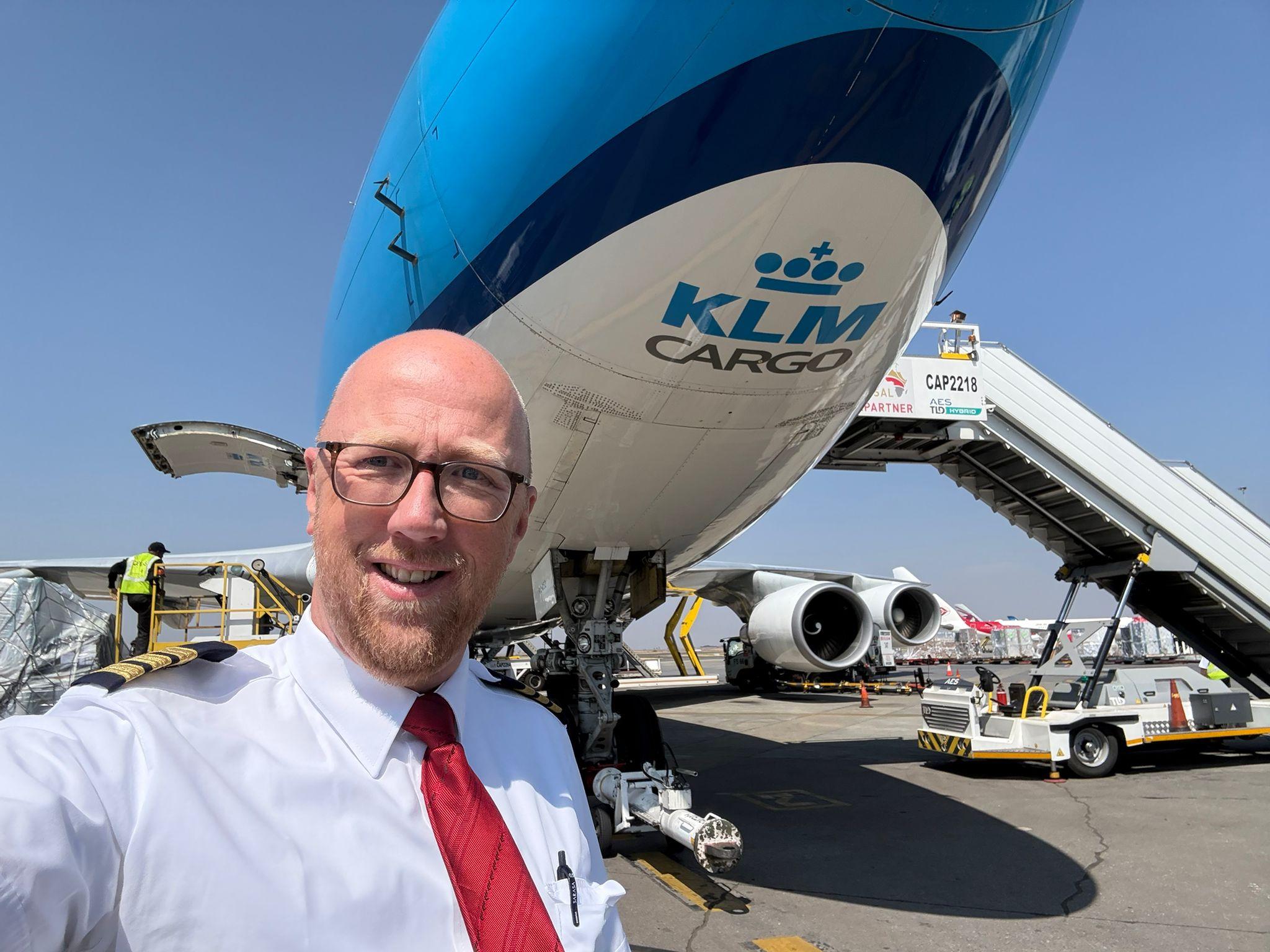
Harko Heis
Boeing 747 TRI/SFE · Airline Pilot · CRM Instructor
Harko brings more than 9,000 flight hours and over 20 years of experience in professional aviation to the APS MCC training. He has flown aircraft including the Fokker 70 and Boeing 747, and is also active as a Flight Instructor, Type Rating Instructor and Synthetic Flight Examiner.
Harko about APS MCC
“The step into an airline cockpit begins with learning to think as a crew.”
For me, APS MCC brings together an important part of my experience: training pilots not only in flying the aircraft, but also in operating effectively within a professional multi-crew environment.
The transition to an airline cockpit requires more than solid basic flying skills. You need to learn how to work together, communicate, think ahead and understand how your actions affect the other pilot, the rest of the crew, the passengers and the flight as a whole.
Drawing on my experience as an instructor, airline pilot and examiner, I believe it is important not only to teach students procedures, but above all to help them develop into professional crew members through self-reflection. A good pilot is self-critical, open to feedback and continues learning throughout their entire career.
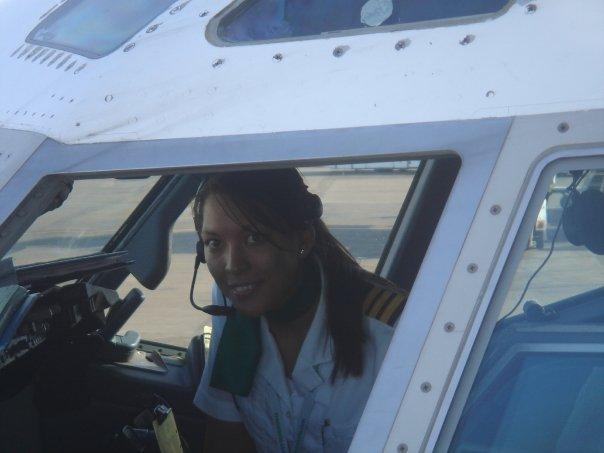
Kassandra Stultiens Zandstra
Boeing 737 SFI · Former Transavia First Officer
Kassandra combines years of experience on the Boeing 737 with a broad background in simulator training. After eight years as a First Officer at Transavia, she has now been working for nine years as a freelance Boeing 737 Synthetic Flight Instructor, including on type rating and APS MCC courses.
Kassandra about APS MCC
“Understanding why you learn something makes all the difference.”
In my instruction, I believe it is important that students not only know what they need to learn, but above all understand why certain knowledge matters and when they will need it later in the cockpit. By using examples from my own flying and instructional experience, I try to make the connection between theory and practice as clear as possible.
For me, that also means creating an open and safe learning environment. Students should feel comfortable asking questions, making mistakes and learning from them. Seeing the moment when someone suddenly understands how theoretical knowledge connects with real-world practice remains one of the most rewarding aspects of being an instructor.
I consider self-reflection one of the most important qualities in a future pilot. You do not need to master everything perfectly from the start, but you do need to be willing to look critically at yourself, accept feedback and learn from it. My advice is therefore: follow your own path, stay curious, do not be afraid to ask for help and try not to compare yourself too much with others. A career in aviation does not always go exactly as planned, but a different route can ultimately prove just as valuable.
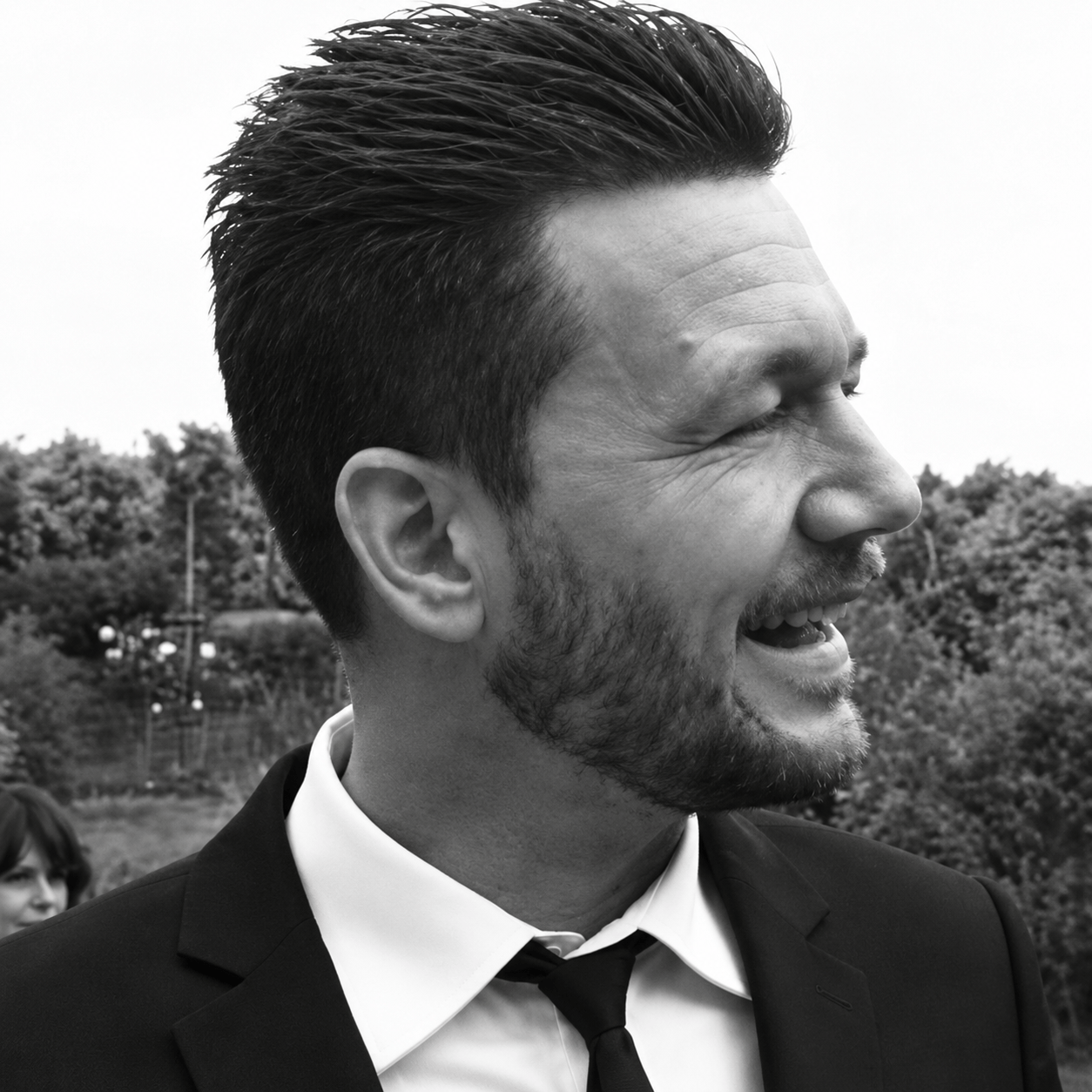
Boris van der Vijgh
Boeing 737 TRI/TRE · Transavia Pilot · Former Apache Pilot
Boris combines nearly 30 years of flying experience with a background in both military and commercial aviation. His flying career began with the Royal Netherlands Air Force as an Apache pilot. Since 2008, he has flown the Boeing 737NG at Transavia, where he progressed to become a Type Rating Instructor and Type Rating Examiner.
Boris about APS MCC
“A strong crew is built on communication, trust and leadership.”
For me, APS MCC is not just about learning to operate with two pilots in the cockpit. It is above all about understanding how to work effectively as a crew, communicate clearly and make sound decisions when conditions change and the pressure increases.
From my military background, I have experienced how important situational awareness, discipline and leadership are, but also that good leadership only works when there is trust within a team and people feel comfortable speaking up and challenging one another.
Those principles are just as relevant in an airline cockpit. During the APS MCC, I want to help students look beyond their own individual tasks and learn to think as part of one crew: anticipating what comes next, communicating clearly, supporting one another and sharing responsibility for a safe and professional flight operation.
Experience you can see in the cockpit
The operational experience of our instructors is directly reflected in the APS MCC training. Not as distant theory, but in the way you learn to work together, communicate and make decisions within a multi-crew cockpit.

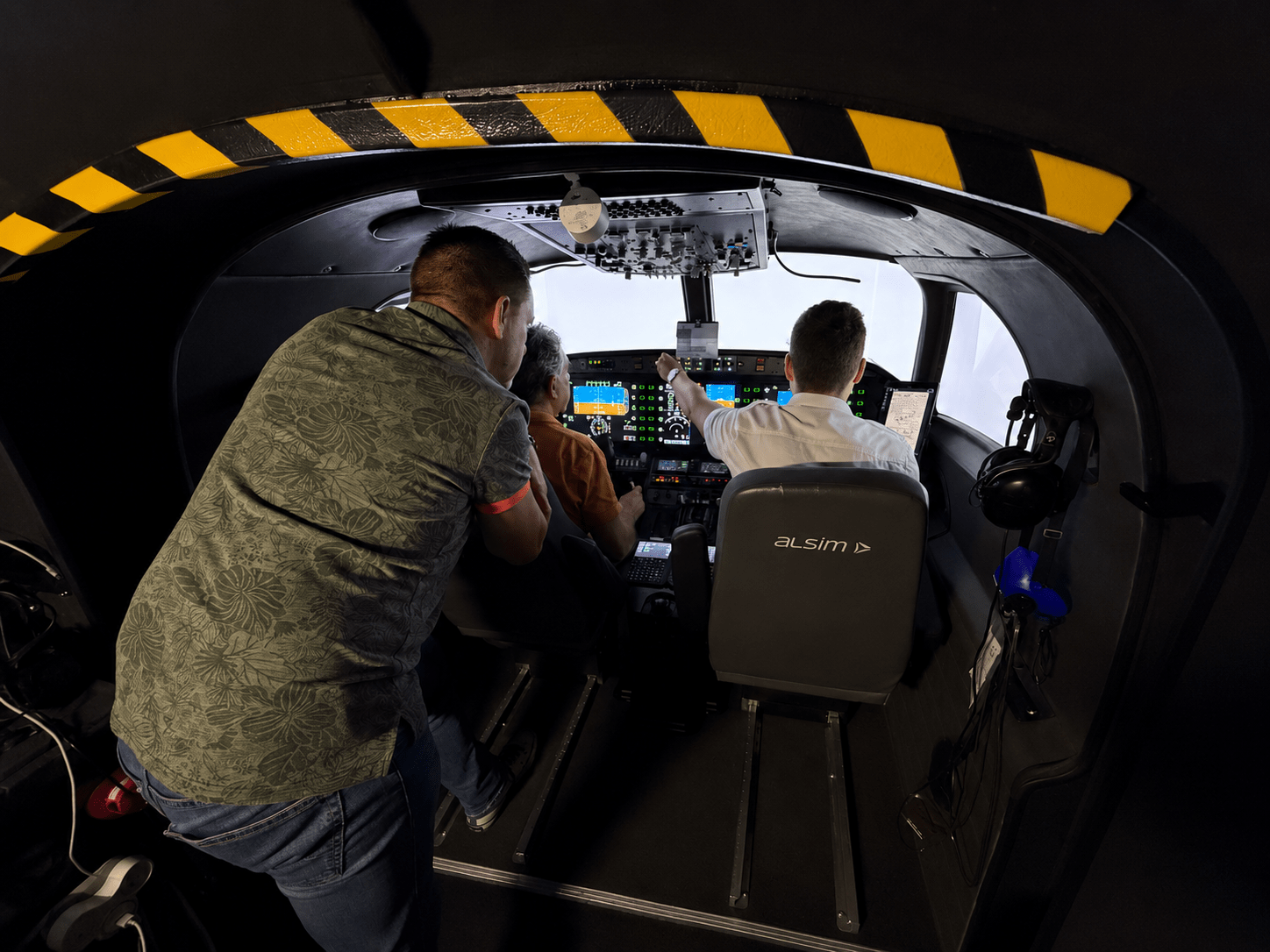
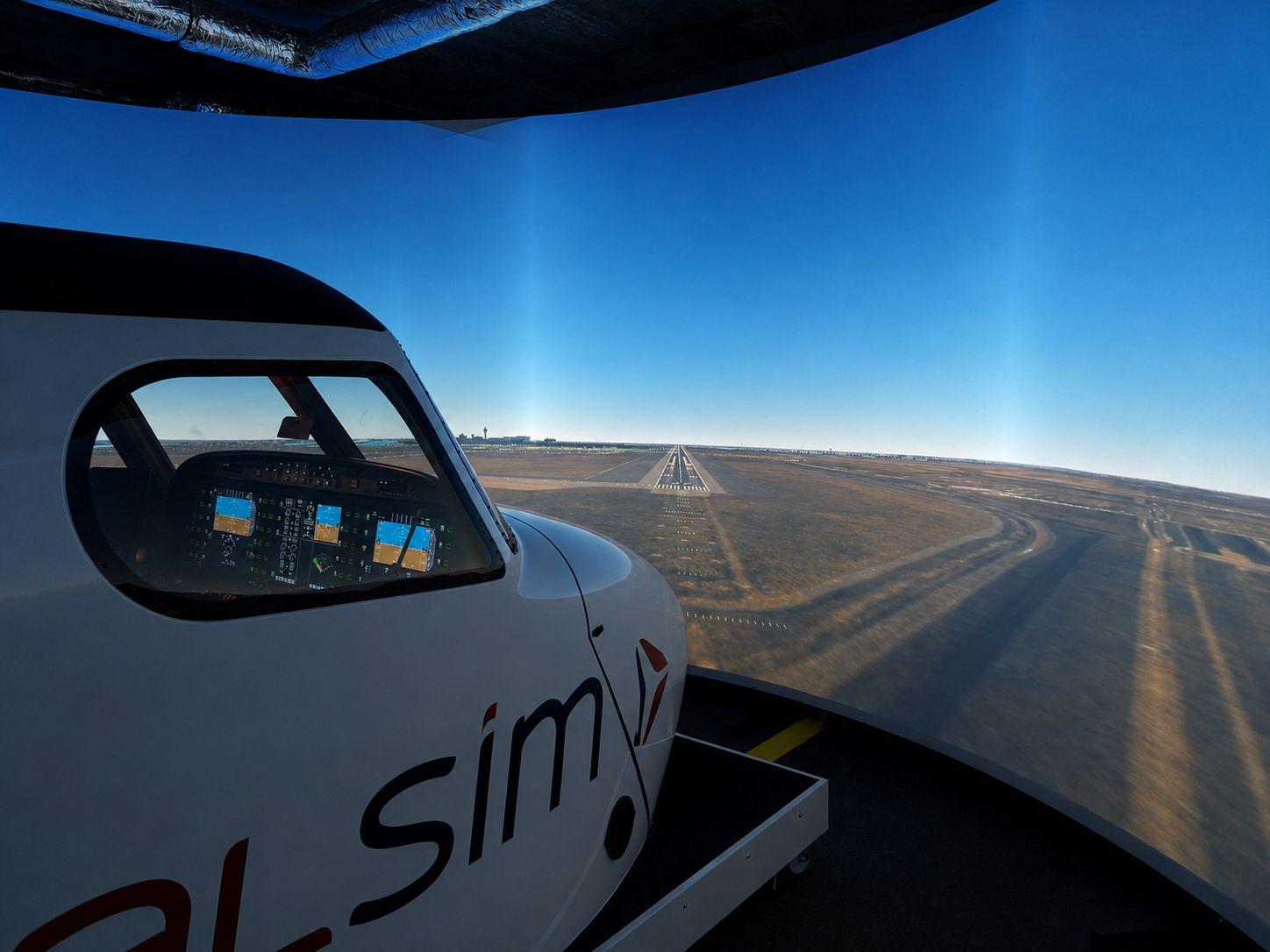
Explore the training environment
at Orbit Groundschool