

Meet Our Theory Instructors
Orbit Groundschool
Your future • Our excellence
Theory Training by Instructors Who Know How to Apply Knowledge in Practice.
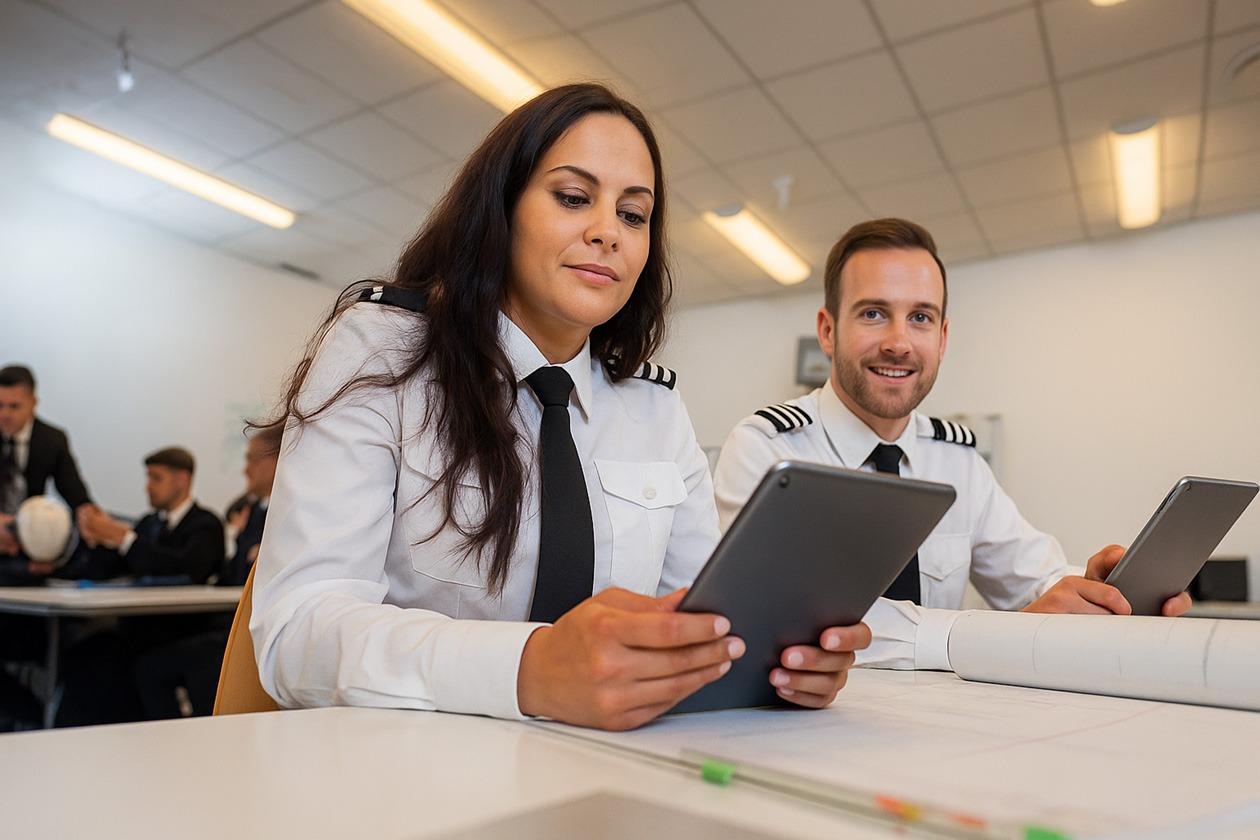
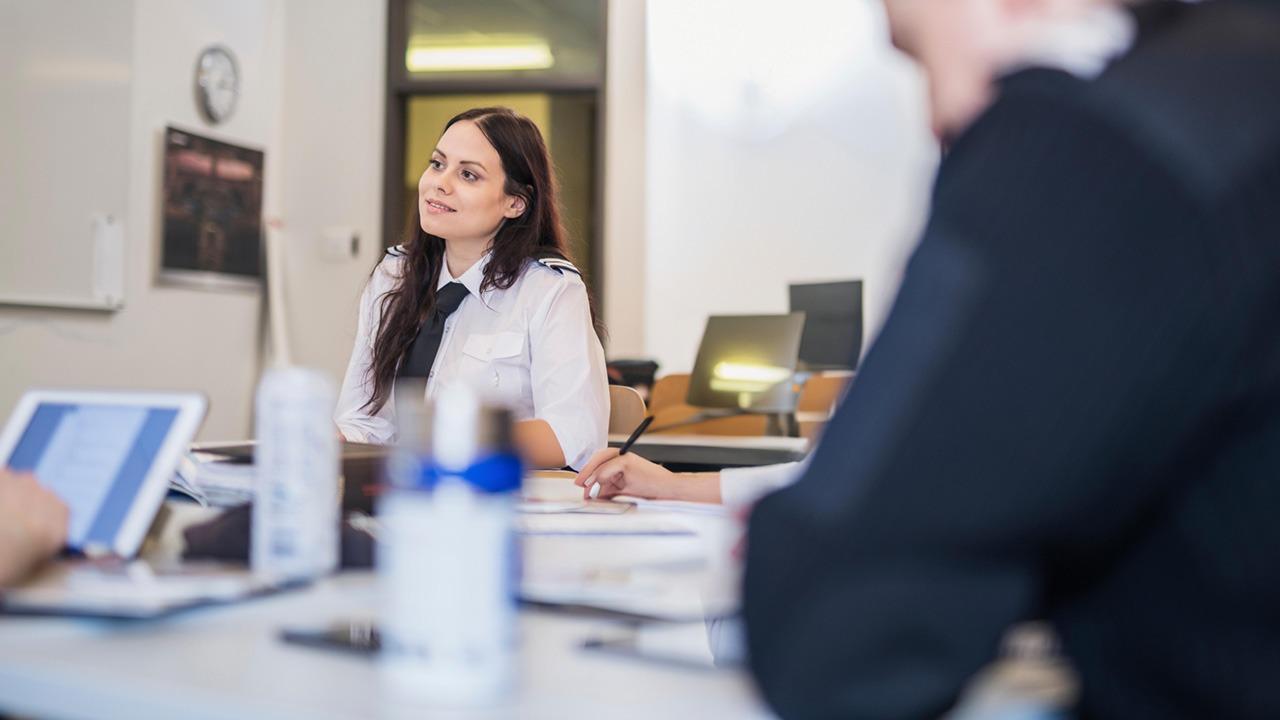
A good theory instructor helps you go beyond simply knowing the correct answer. Our instructors guide students during quarterly Brush-Up Courses and provide full-time theoretical instruction, including the theory phase of MPL programmes. By combining theoretical knowledge with years of aviation experience, they help you understand not only what the correct answer is, but more importantly, why.
Our instructor team brings experience from a wide range of aviation backgrounds, including airline operations, military aviation, training and examining. These diverse backgrounds put theory into context, helping students understand complex subjects and recognise how their knowledge will be applied during practical flight training and in the cockpit.
Airline · Military · General Aviation
Instructors · Trainers · Examiners
Knowledge Backed by Cockpit Experience
Our instructors
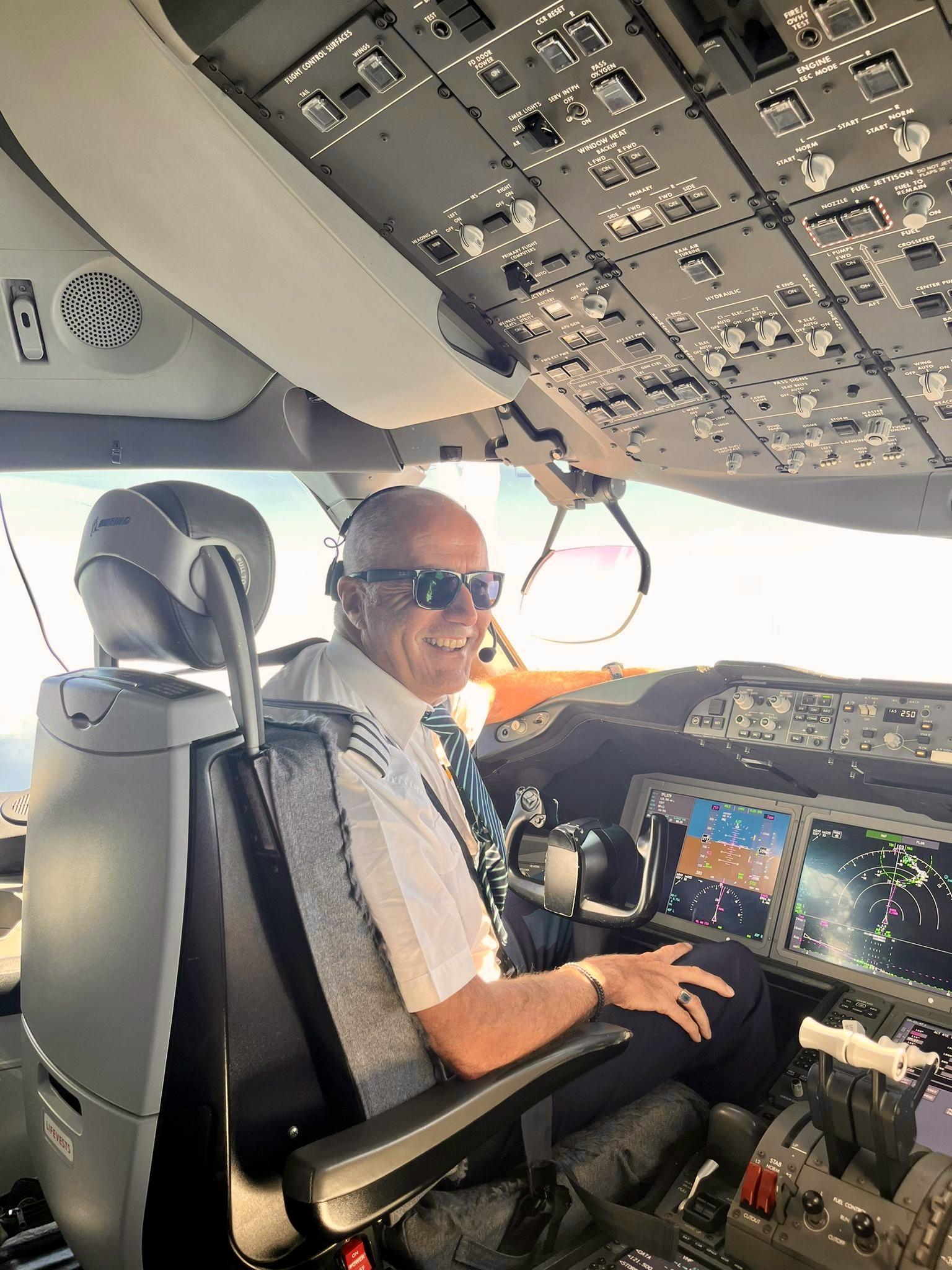
Michiel de Nooy
ATPL Theory Instructor · Former Boeing 777/787 Captain
Michiel brings over 40 years of experience in professional aviation to Orbit's theory training. Until recently, he was an active Boeing 777 and 787 Captain and flew for airlines including KLM and TUI fly throughout his career. He also held various management positions at both airlines.
At Orbit, Michiel teaches ATPL theory as part of the Transavia MPL programme. As a TKI instructor, he combines theoretical knowledge with the insights and experience gained over decades of daily flight operations.
Michiel on Theory Training
“Pass on the knowledge and experience you have gained to the next generation of pilots.”
After more than 40 years in aviation, I started asking myself what I wanted to do with all the experience I had gained. Teaching turned out to be the perfect answer. After years of practical flying, becoming an ATPL instructor allows me to explore the theory that forms the foundation of our profession in greater depth.
Professionalism in aviation also means being willing to go that extra mile to guide colleagues and help them develop. Throughout my own career, experienced colleagues have helped me grow as a pilot.
I now find it particularly rewarding to take on that role myself and share my knowledge and experience with a new generation of future colleagues.
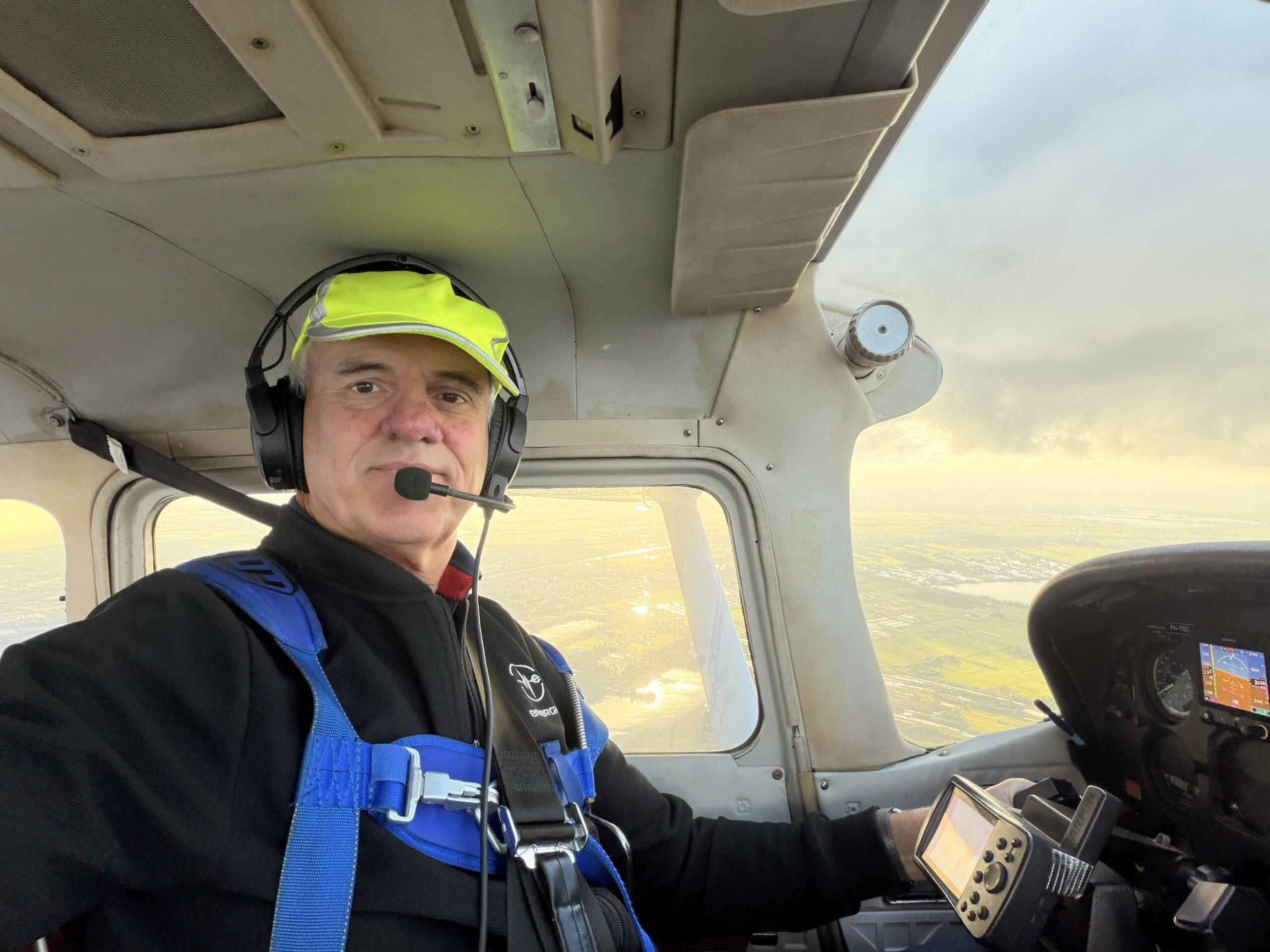
Frans Hartmann
ATPL & PPL Theory Instructor · CPL/IR · Flight Instructor
Frans combines a background in physics with many years of experience as a theory instructor and pilot. After completing his ATPL theory training with Orbit in 2007, he remained involved as an instructor. For almost twenty years, he has been teaching various ATPL subjects as well as providing theoretical instruction as part of the PPL training programme.
Frans is also an active pilot, holding a CPL, Instrument Rating and Flight Instructor qualification. With nearly 2,000 flight hours, he brings not only theoretical knowledge but also his own practical flying experience into the classroom.
Frans on Theory Training
“Breaking a question down into small enough pieces makes it much easier to understand.”
In my lessons, I primarily encourage students to think logically and critically. By asking questions, I guide them through the steps towards finding an answer themselves. It's not just about knowing that something is correct, but understanding why.
Much of the ATPL theory truly comes to life when you progress to practical flight training. Knowledge that may seem abstract during theoretical studies suddenly finds a clear application in the cockpit.
Besides subject knowledge, I believe your attitude towards the profession is equally important. My advice to future pilots is simple: keep your ego in check.
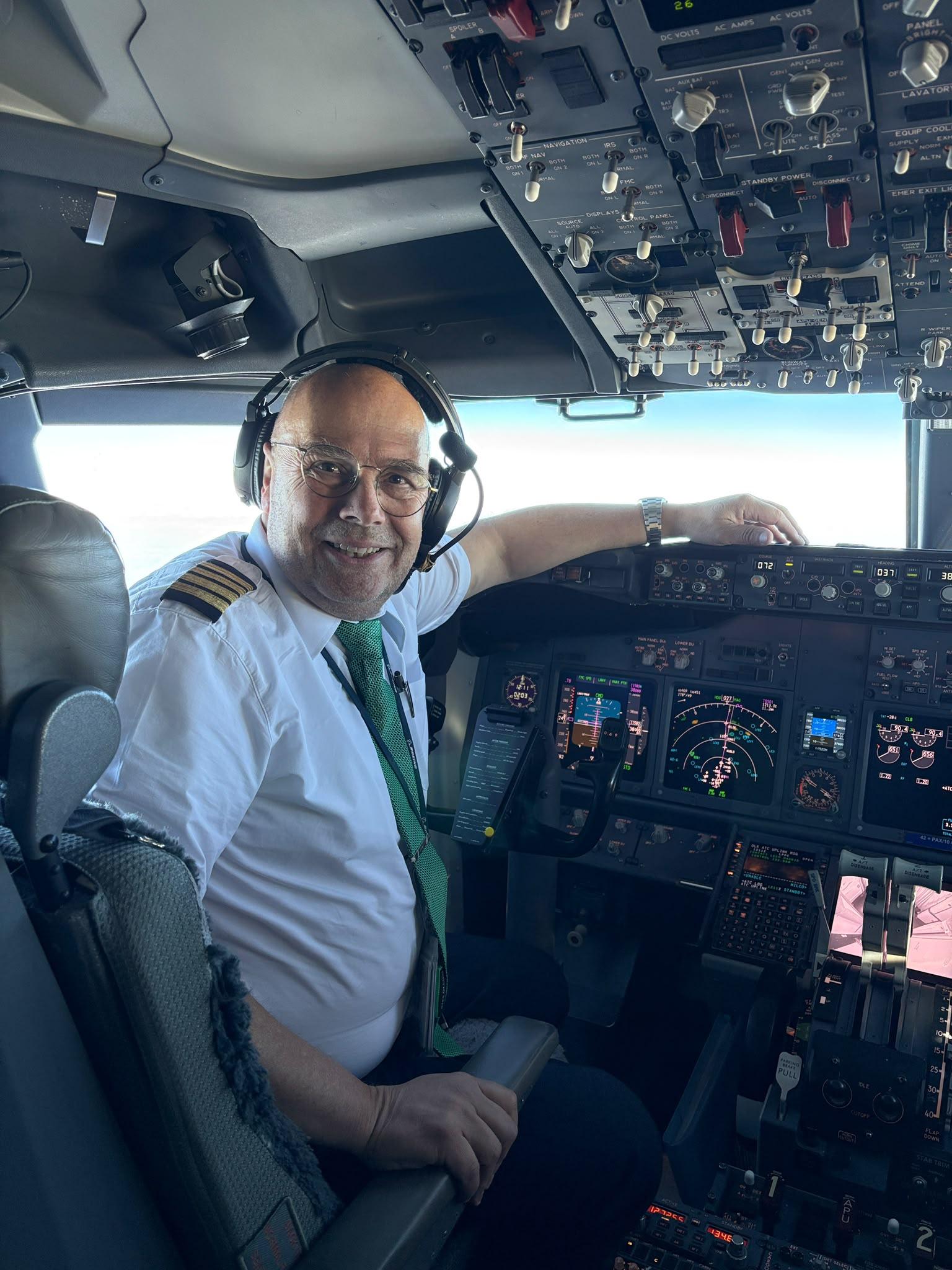
Ben Keetels
ATPL Theory Instructor · Former F-16, MD-11, B787 & B747 Pilot
Ben brings experience from both military and commercial aviation to Orbit's theory training. He flew the F-16 with the Royal Netherlands Air Force for almost ten years before transitioning to commercial aviation. He then spent eight years flying the MD-11 for Martinair, followed by the Boeing 787 for Norwegian and the Boeing 747 for KLM Cargo.
At Orbit, Ben works as a TKI instructor within the Transavia MPL programme. In his lessons, he combines theoretical knowledge with practical experience gained across different areas of professional aviation.
Ben on Theory Training
The day you think you have finished learning is the day you start falling behind as a pilot.
What I enjoy about teaching future pilots is their enthusiasm and the direct relevance of the theory to the profession they are working towards. I like to make my lessons interactive: while the focus is on theory, there should always be room for questions, practical examples and anecdotes that bring the subject matter to life.
Besides knowledge, I believe discipline and independence are important. Students should also learn that admitting you don't understand something and asking questions is a sign of strength, not weakness.
As their training progresses, you also see students become more resilient and increasingly aware of one another. Flying is not something you do alone. Teamwork, continuous self-reflection and personal development are just as much a part of the profession.
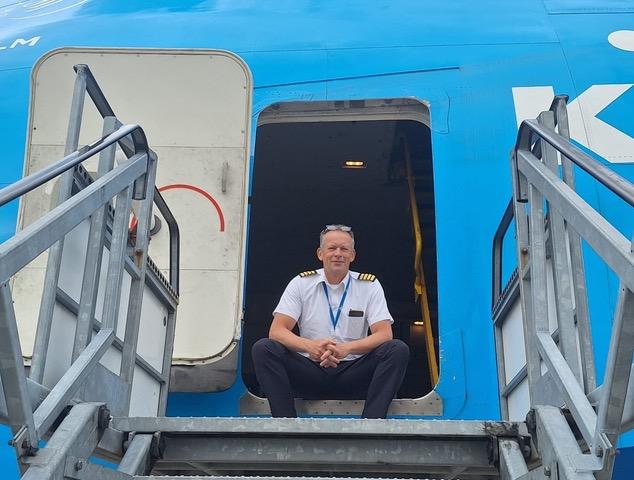
William van Polen
Boeing 737 Pilot · TRI · Theoretical Knowledge Instructor
William has been flying since 1987 and has built a diverse aviation career with organisations including the Royal Netherlands Air Force, Twente Airlines, Transavia and Smartwings. Since 2026, he has been flying for Transavia again, this time based in Brussels. He has extensive experience across several generations of the Boeing 737, including the 737 MAX 8.
Alongside his work as a pilot, William has extensive experience in training fellow pilots. As a Type Rating Instructor, he guided pilots through their type rating training and also delivered courses covering Flight Safety, Crew Resource Management and technical knowledge. At Orbit, he brings this experience to his role as a Theoretical Knowledge Instructor.
William on Theory Training
“Flying remains a wonderful profession.” Kopiëren
What makes flying so special to me is the combination of responsibility, teamwork and variety. On every flight, you work with different colleagues, constantly make operational decisions and share responsibility for a safe flight. And along the way, you also get to enjoy some of the most beautiful sunrises and sunsets.
I find teaching at least as rewarding. The theory at the beginning of your training is extremely important. You not only build knowledge but also learn to process large amounts of information in a short time, make connections and apply what you have learned. As an instructor at Orbit, I enjoy helping students develop these skills.
Ultimately, I hope to have you sitting beside me in the cockpit one day. Preparing a flight together from Amsterdam to Málaga, assessing the weather, calculating the required fuel and making operational decisions. That's when you see how everything you learned during your training comes together.
In any case, I look forward to welcoming you to aviation!
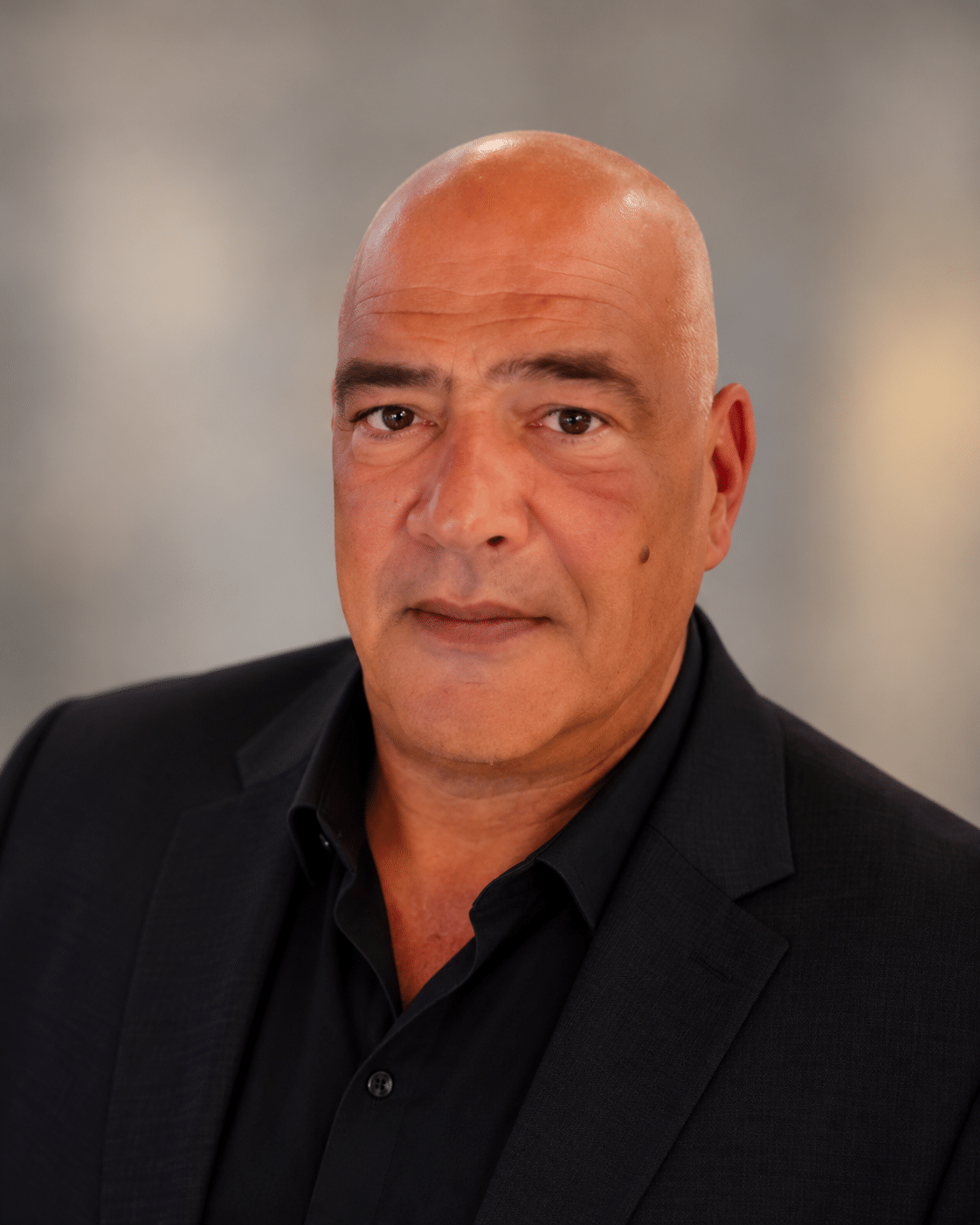
Pieter van Duin
ATPL Theory Instructor · Flight Operations & OCC
Pieter brings 35 years of experience at Transavia to Orbit's theory training. He spent twenty of those years working at the Operations Control Centre (OCC), where he held various positions, including Flight Dispatcher, Duty Manager and Training Manager. This background has given him extensive knowledge of the operational side of aviation, where planning, decision-making and teamwork are essential every day.
Pieter completed his own ATPL theory training at Orbit in 2006. Shortly afterwards, he was invited to become an instructor. He has now been teaching at Orbit for almost twenty years, with a particular focus on Mass & Balance and Operational Procedures.
Pieter on Theory Training
I know what it's like to sit on the other side of the classroom as an ATPL student.
What makes my role as an instructor particularly meaningful to me is that I once started out as a student at Orbit myself. I know how much material you have to study and how much discipline and perseverance it takes to complete your ATPL theory training. That experience helps me understand the challenges students face.
Drawing on my many years of experience in Flight Operations, I believe it is important that students not only master the theory but also understand how that knowledge is applied in daily aviation operations. Subjects such as Mass & Balance and Operational Procedures clearly demonstrate how closely theory and practice are connected.
Another thing I value about Orbit is the dedication of the instructor team. Everyone brings their own knowledge and experience, but we all share the same passion for aviation. I hope to pass that dedication on to our students, so they are not only well prepared for their exams but also understand the importance of teamwork and responsibility in aviation.
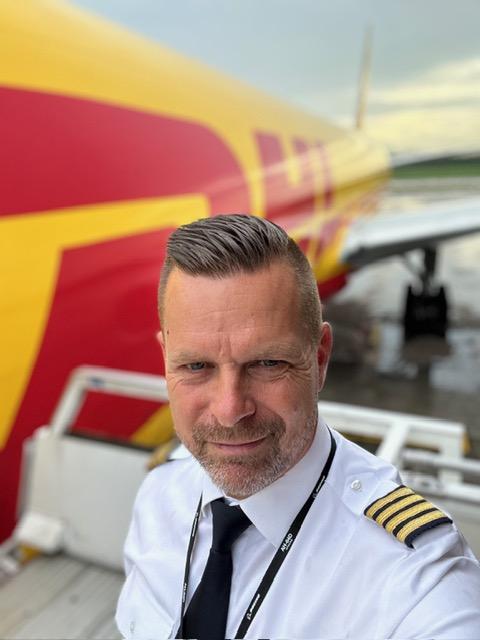
Franck de Groot
Boeing 777 Captain · TRI · Head of Training
Franck brings more than 13,000 flight hours and experience in both military and commercial aviation to Orbit's theory training. His career has taken him from the Royal Netherlands Air Force and the Boeing 737 at Transavia to the Boeing 777 and 787 in international airline operations. He currently flies as a Boeing 777 Captain and TRI at AeroLogic.
Franck on Theory Training
From Theory to Practical Application in the Cockpit.
A solid theoretical foundation is about much more than passing your exams. In the cockpit, different subjects from your training come together, and you need to be able to apply that knowledge when the situation demands it.
Drawing on his experience as a military pilot, airline pilot and instructor, Franck can show students how theoretical knowledge is applied in daily flight operations. Skills such as situational awareness, decision-making and prioritisation are not separate from theory, but build upon it.
This connection between knowledge and practical application is central to his approach: not simply knowing the correct answer, but understanding why it works that way and how it will benefit you later as a professional pilot.
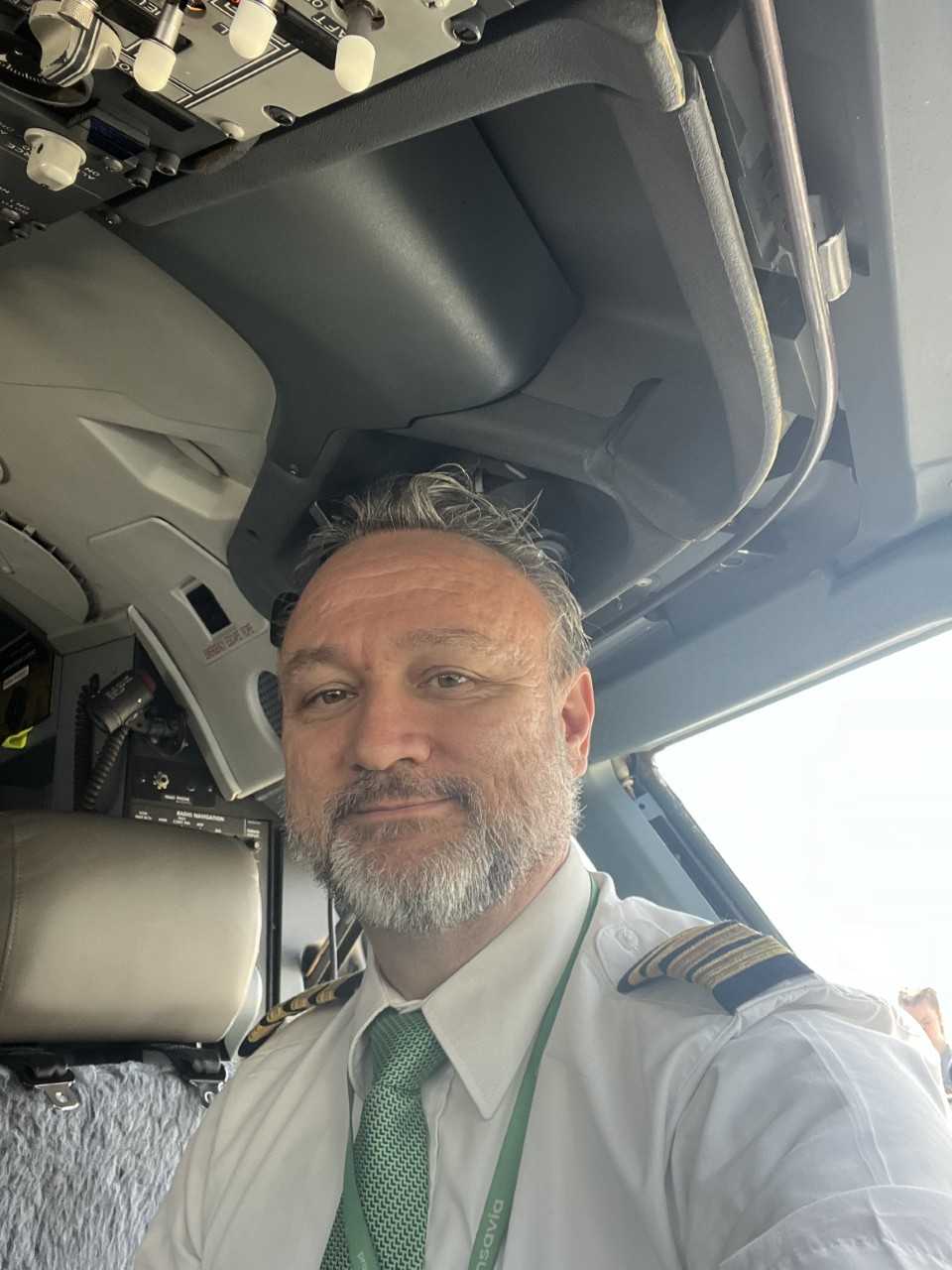
Jeffrey van der Groep
Boeing 737 TRI/TRE · Transavia Captain · CFI Orbit Groundschool
Jeffrey combines nearly 30 years of flying and instructional experience with a long-standing involvement in both Transavia and Orbit Groundschool. Since 2007, he has served as an SFI, TRI and TRE on the Boeing 737. He has also been involved in training new generations of pilots, including theoretical instruction within the Transavia MPL programme.
Jeffrey on Theory Training
Understanding Why You Learn Something Makes Theory Relevant.
A strong theoretical foundation is an essential part of becoming a professional pilot. Drawing on his experience as an airline pilot, instructor and examiner, Jeffrey can show students how the knowledge gained during theoretical training is later applied in flight operations.
His involvement in theory, MPL and APS MCC training gives him a broad perspective on pilot training. The different stages are closely connected: the knowledge developed during theoretical training later forms the basis for applying procedures, making decisions and understanding what happens in the cockpit.
The goal is therefore not simply to master the material for an exam, but to understand why you need that knowledge as a pilot. It is this connection between theory, training and eventual airline operations that completes the learning process.
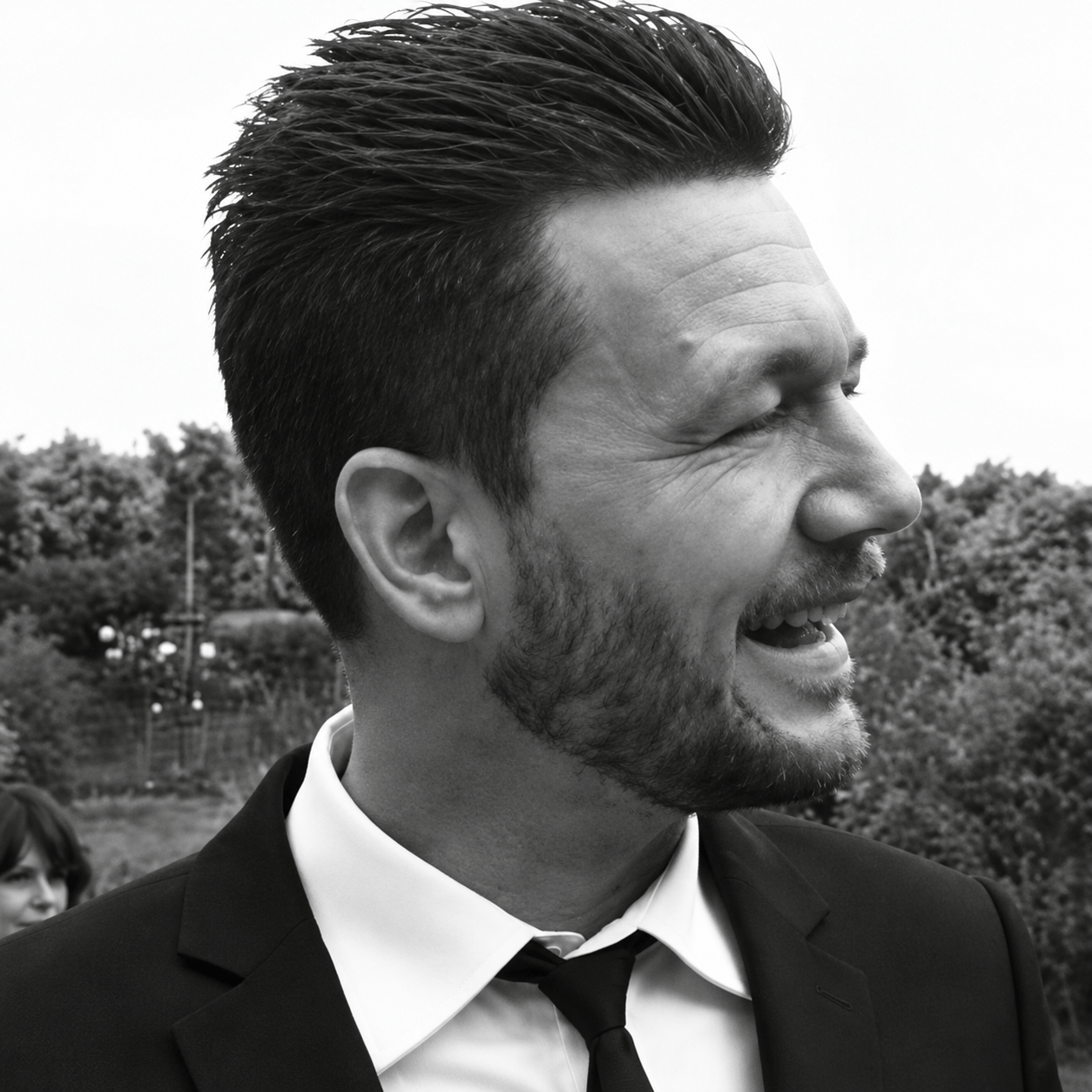
Boris van der Vijgh
Boeing 737 TRI/TRE · Transavia Pilot · Former Apache Pilot
Boris combines nearly 30 years of flying experience with a background in both military and commercial aviation. His flying career began with the Royal Netherlands Air Force as an Apache pilot. Since 2008, he has flown the Boeing 737NG at Transavia, where he progressed to become a Type Rating Instructor and Type Rating Examiner.
Boris on Theory Training
From Theoretical Knowledge to Professional Decision-Making. Kopiëren
Theoretical training provides the foundation for the knowledge a pilot needs throughout their career. Drawing on his experience in both military and commercial aviation, Boris can connect theory to real-world situations where knowledge, discipline and situational awareness come together.
His experience as an instructor and examiner plays an important role in this. Theory is ultimately not just about knowing facts and procedures, but also about understanding why certain principles matter and how they contribute to sound decision-making in the cockpit.
By connecting theory to practical experience, the material becomes more meaningful. What may seem abstract during training later becomes an essential part of operating safely and professionally as a pilot.
Theory That Goes Beyond the Exam
Tijdens de zelfstudie bouw je de theoretische basis op. In de Brush-Up Courses helpen onze instructeurs je om die kennis verder te doorgronden, verbanden te leggen en onderwerpen in de juiste context te plaatsen. Binnen MPL-programma’s brengen zij diezelfde combinatie van theoretische kennis en praktijkervaring rechtstreeks in het theorieonderwijs.
Explore the training environment
at Orbit Groundschool